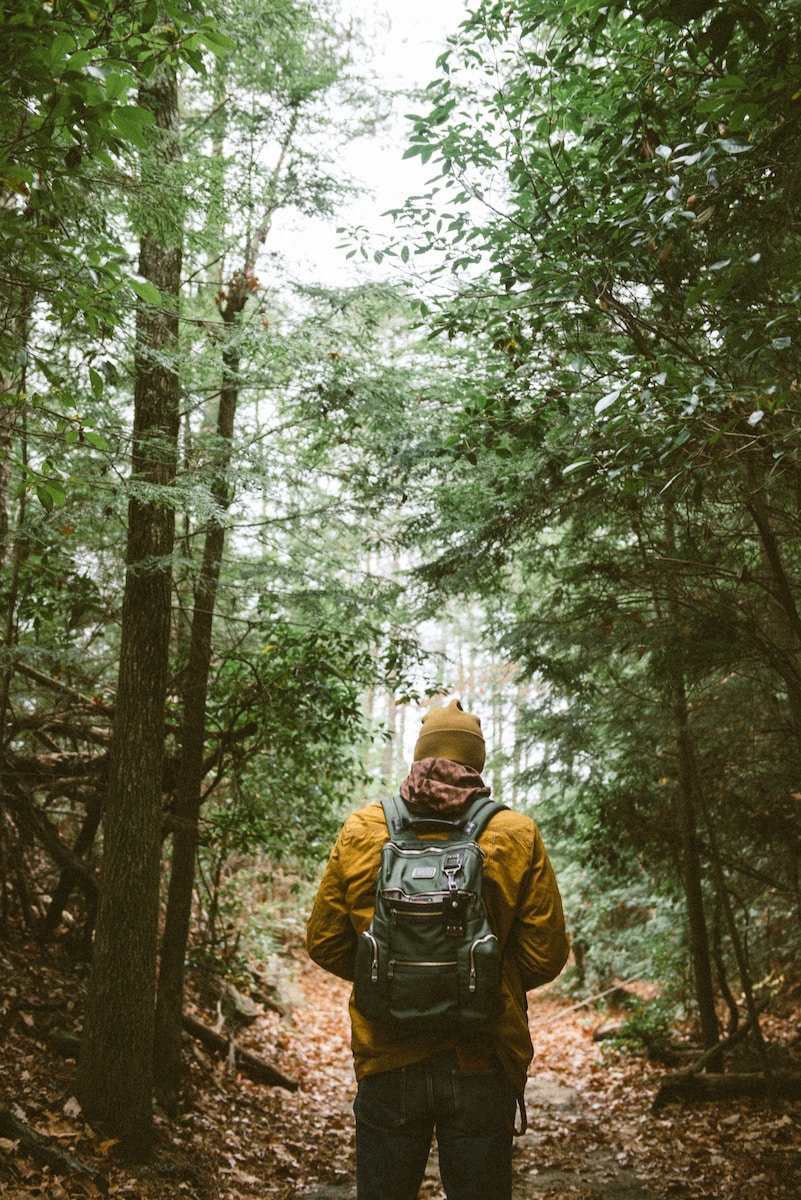
Walking is an excellent form of low-impact exercise that offers a myriad of health benefits, including weight loss. Here’s a comprehensive overview of how walking can help you achieve your weight loss goals:
Weight Loss Effects:
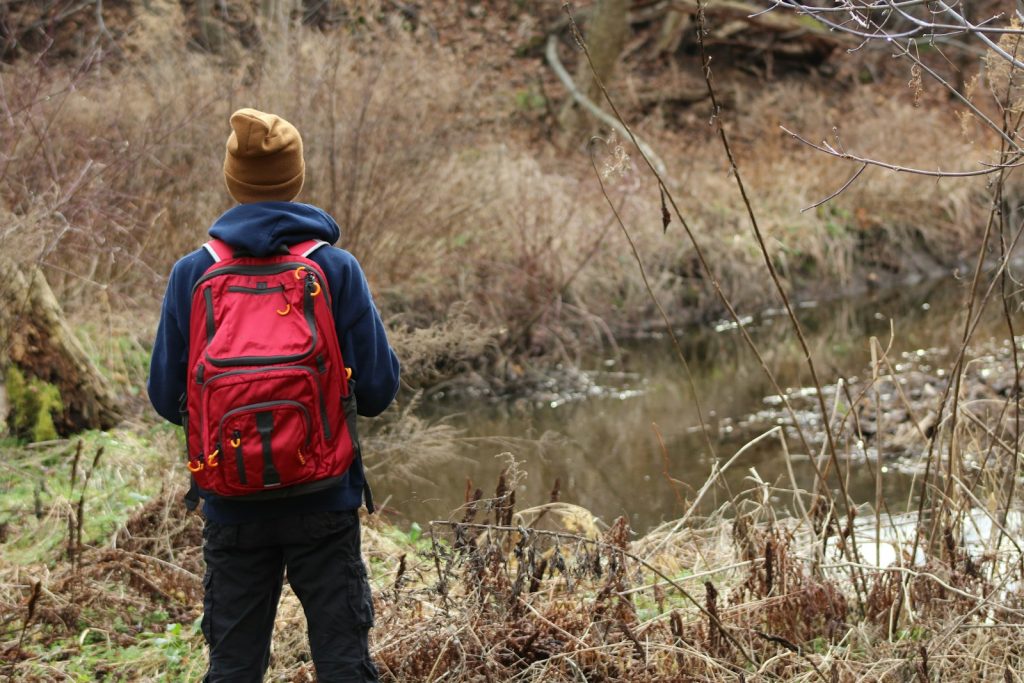
- Calorie Burn: Walking is a calorie-burning activity, and the amount of calories you burn depends on your walking pace, duration, and intensity. A brisk 30-minute walk can burn approximately 200-300 calories, which contributes to a calorie deficit and weight loss.
- Increased Metabolism: Regular walking helps increase your basal metabolic rate (BMR), or the number of calories your body burns at rest. This enhanced metabolism means you continue burning calories even when you’re not actively exercising.
- Improved Insulin Sensitivity: Walking helps improve insulin sensitivity, which is the body’s ability to regulate blood sugar levels. This is crucial for weight loss and preventing obesity-related conditions like type 2 diabetes.
- Reduced Fat Storage: Walking helps reduce body fat percentage, especially in the abdominal area, which is associated with a lower risk of chronic diseases.
Benefits of Walking in Nature:
- Increased Serotonin: Walking in nature exposes you to sunlight, which helps increase serotonin levels. Serotonin is a neurotransmitter that promotes mood, happiness, and feelings of well-being, which can aid in weight loss efforts.
- Reduced Stress Levels: Nature has a calming and stress-reducing effect, which can help prevent emotional eating and unhealthy food choices.
- Improved Mental Focus: The peacefulness of nature can enhance mental clarity and focus, making it easier to make healthy choices and stick to your weight loss goals.
Positive Effects of Adding a Rucksack:
- Increased Calorie Burn: Carrying a rucksack during walking adds resistance, which increases the intensity of your workout and boosts calorie expenditure.
- Improved Muscle Strength: The added weight of the rucksack engages more muscle groups, including your core, back, and leg muscles, promoting muscle strength and tone.
- Increased Bone Mineral Density: Walking with a rucksack puts gentle stress on your bones, stimulating bone growth and helping prevent osteoporosis.
Leave a Reply